Stocks Retreat as Amazon Stokes Big-Tech Concern

U.S. equities retreated at the tail end of a big earnings week as investors worried about slowing growth at the megacap technology companies that have helped drive the market to record highs during the pandemic. Amazon.com Inc. dropped 7.6% in its biggest decline since May 2020, contributing the most to declines in the Nasdaq 100 and S&P 500 indexes, after the company’s sales outlook missed expectations. Tech stocks including Microsoft Corp. also weighed down the Dow Jones Industrial Average. European equities dropped from a record and Asian stocks slid amid China’s regulatory clampdown. Amazon announced weaker-than-expected quarterly earnings late on Thursday, and the … Continue reading Stocks Retreat as Amazon Stokes Big-Tech Concern
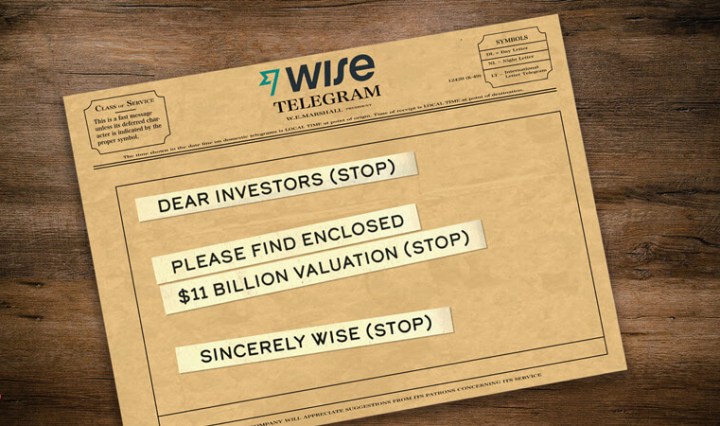
Payment Giant Wise hit the stock market via a hotly anticipated direct listing at an initial $11 billion valuation

Payment Giant Wise hit the stock market via a hotly anticipated direct listing at an initial $11 billion valuation at an initial $11 billion valuation. Eschewing the investment banks (and the hefty fees) involved in an initial public offering (IPO), Wise’s early … Continue reading Payment Giant Wise hit the stock market via a hotly anticipated direct listing at an initial $11 billion valuation

The European Carbon Market

The European carbon market doesn’t pay any attention to spiking inflation or climbing interest rates, and its price – which has doubled in the last year – might only keep going up… What exactly is a carbon market? The best way to set a price that’s both high enough to incentivize polluters to cut their emissions and low enough to avoid sending whole industries into bankruptcy is the “cap and trade” system. Under the “cap and trade” system, the European Union (EU) allows firms in polluting industries to emit greenhouse gases, but only up to a set amount. The companies that … Continue reading The European Carbon Market

Didi is back in the Chinese government’s crosshairs, just days after pulling off one of the biggest US IPOs of the past decade

The Chinese government ordered the country’s app stores to remove the ride-hailing giant, Didi, over the weekend. It says it’s a matter of national security: Didi has access to hundreds of millions of Chinese customers’ personal information, while counting major international companies (like Uber) among its shareholders. It’s not the only one: other US-listed Chinese companies – including online recruitment company Kanzhun and truck-hailing firm Full Truck Alliance – were caught up in the crackdown too. For markets: Cue the ripple effects.This was the next episode in a long-running series of crackdowns on Chinese tech firms, so the news sent all their stocks tumbling on … Continue reading Didi is back in the Chinese government’s crosshairs, just days after pulling off one of the biggest US IPOs of the past decade

The World’s Going Renewable. So Why Are Renewable Energy Stocks Getting So Little Love?

Renewable energy stocks have fallen out of favor after a stellar rise last year, with the European Renewable Energy index down around 25% from its January peak. But several investment banks – from Goldman Sachs to Royal Bank of Canada – think the recent selloff could present you with the perfect entry point… Why are renewable energy stocks so attractive right now? 1) They’re cheap relative to their growth potential The selloff has left renewable energy stocks looking cheaper than tech-heavy growth stocks – not just in Europe, but globally. And unlike tech companies that benefited from a short-term, pandemic-driven demand boost, renewable energy companies will … Continue reading The World’s Going Renewable. So Why Are Renewable Energy Stocks Getting So Little Love?

Private Equity Mania?

What’s Going On Here? Private equity firms have had their busiest-ever start to a year, inking more than $500 billion in deals around the world across the first half of 2021. Ultra-low interest rates have made private equity’s promise of solid returns more popular than ever – helping firms amass a mountain of investor cash. And since private equity deals almost always involve huge chunks of debt, low rates have also created the perfect environment for them to get busy buying. What is private equity? Traditional stock investments are in “public” companies: those listed on the stock market. But there’s a whole world out … Continue reading Private Equity Mania?

Study notes from ‘The Entrepreneurial Bible to Venture Capital’

1. VC firms usually seek out investment opportunities in growing markets such as information technology (IT) or biotechnology. In exchange for a cash infusion, the start-up gives the VC firm a significant share of company equity. 2. As technological innovation has skyrocketed, the cost of starting a new company has fallen considerably, e.g. cloud computing has slashed the cost of storage. today it can cost less than $5,000 to launch a beta version of a website or mobile app. 3. The reality is some 60% of start-ups backed by venture capitalists, however, go bankrupt before the start-up can pay back … Continue reading Study notes from ‘The Entrepreneurial Bible to Venture Capital’